
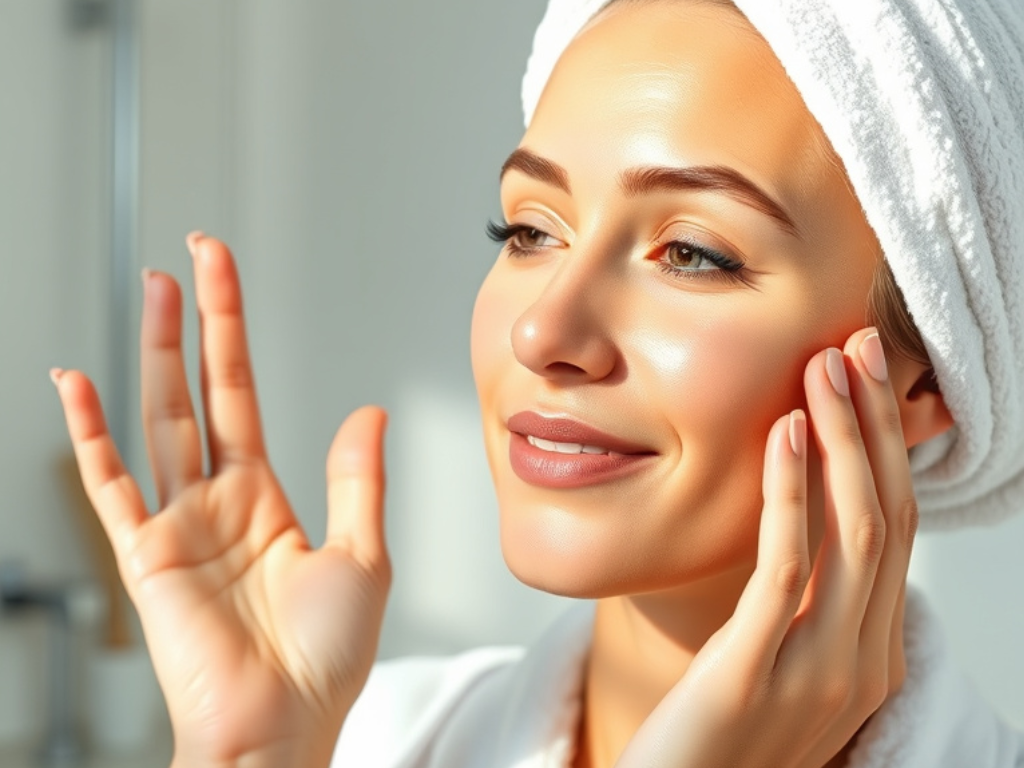
Aging is a natural process, but its visible signs—wrinkles, fine lines, and uneven skin tone—can be distressing. Among various skincare ingredients, retinoids stand out as a gold standard for combating these signs of aging. Derived from vitamin A, retinoids have been extensively studied and proven to promote skin renewal, enhance collagen production, and improve overall skin texture. This guide delves into the world of retinoids, exploring their types, benefits, usage, and how they can be effectively incorporated into your skincare routine for youthful, radiant skin. Learn how to use retinoids for youthful skin.
To achieve a youthful appearance, understanding how to use retinoids for youthful skin is crucial.
When considering how to use retinoids for youthful skin, it is vital to choose the right type based on your skin needs.
In evaluating how to use retinoids for youthful skin, understanding their various types can lead to better results.
Learning how to use retinoids for youthful skin allows users to tailor their skincare routine effectively.
What Are Retinoids?
Retinoids are a class of compounds derived from vitamin A, renowned for their ability to accelerate cell turnover and stimulate collagen production. They are widely used in dermatology to treat various skin conditions, including acne, hyperpigmentation, and signs of aging. Retinoids work by binding to specific receptors in the skin, influencing gene expression, and promoting the shedding of old skin cells to reveal fresher, smoother skin underneath.
Types of Retinoids
There are several varieties of retinoid, and each has a distinct potency and appropriateness for different skin types:
How to Use Retinoids for Youthful Skin
This knowledge on how to use retinoids for youthful skin can transform your skincare practices.
Knowing how to use retinoids for youthful skin is vital for anyone serious about anti-aging skincare.
Retinol: An over-the-counter (OTC) retinoid, retinol is less potent but effective for improving skin texture and reducing fine lines.
time.com
Retinaldehyde: Slightly more potent than retinol, it offers faster results with minimal irritation.
Tretinoin (Retinoic Acid): A prescription-strength retinoid, tretinoin is highly effective for treating wrinkles, acne, and hyperpigmentation.
For those seeking vibrant skin, understanding how to use retinoids for youthful skin is essential. These compounds can revolutionize your skincare regimen.
Those exploring how to use retinoids for youthful skin will notice improvements in elasticity and texture.
Adapalene: Originally prescription-only, adapalene is now available OTC and is known for its stability and lower irritation potential.
en.wikipedia.org
Understanding how to use retinoids for youthful skin can lead to a more vibrant complexion.
Tazarotene: A potent prescription retinoid, tazarotene is used for treating psoriasis, acne, and signs of aging.
en.wikipedia.org
With insights on how to use retinoids for youthful skin, you can effectively combat signs of aging.
Choosing the right retinoid depends on your skin type, concerns, and tolerance levels.
How Retinoids Combat Aging
Retinoids address multiple aspects of skin aging:
Studying how to use retinoids for youthful skin offers essential insights into effective skincare.
Stimulate Collagen Production: Retinoids promote the synthesis of collagen, a protein that maintains skin’s firmness and elasticity.
Focusing on how to use retinoids for youthful skin will empower your skincare routine.
Enhance Cell Turnover: By accelerating the shedding of old skin cells, retinoids reveal fresher, more youthful skin.
Reduce Fine Lines and Wrinkles: Consistent use of retinoids smoothens the skin, diminishing the appearance of fine lines and wrinkles.
Improve Skin Texture and Tone: Retinoids help in evening out skin tone and refining texture, giving the skin a radiant glow.
Fade Hyperpigmentation: They lighten dark spots and pigmentation, resulting in a more uniform complexion.
These benefits make retinoids a cornerstone in anti-aging skincare regimens.
Scientific Evidence Supporting Retinoids
The effectiveness of retinoids in anti-aging has been confirmed by numerous studies:
Research published in the Archives of Dermatology demonstrated that tretinoin-treated skin showed a significant increase in collagen production.
formial.in
A study in the Journal of Investigative Dermatology found that topical tretinoin prevented collagen degradation and restored elasticity in sun-damaged skin.
formial.in
Clinical trials have consistently shown that retinoids improve skin texture, reduce wrinkles, and enhance overall skin appearance.
These findings underscore the role of retinoids as a scientifically-backed solution for aging skin.
Choosing the Right Retinoid for Your Skin
Selecting the appropriate retinoid involves considering your skin type, concerns, and experience with retinoids:
Beginners: Start with OTC options like retinol or adapalene to build tolerance.
Sensitive Skin: Opt for lower concentrations and formulations designed for sensitive skin to minimize irritation.
How to use Retinoids for youthful skin.
To summarize, knowing how to use retinoids for youthful skin is essential for effective skincare.
Oily or Acne-Prone Skin: Adapalene is effective for acne and has a lower risk of causing dryness.
en.wikipedia.org
+9
en.wikipedia.org
+9
skintypesolutions.com
+9
Mature Skin: Prescription-strength retinoids like tretinoin or tazarotene may offer more pronounced anti-aging benefits.
en.wikipedia.org
+1
skintypesolutions.com
+1
Consulting a dermatologist can help in tailoring the choice to your specific needs.
Incorporating Retinoids into Your Skincare Routine
To maximize benefits and minimize side effects, follow these steps:
Begin slowly: To gauge tolerance, start with a modest concentration and apply every other night.
Apply at Night: Retinoids can increase sun sensitivity; nighttime application reduces this risk.
Use a Pea-Sized Amount: A small quantity is sufficient; overuse can lead to irritation.
Moisturize: Apply a gentle moisturizer after retinoid application to combat dryness.
Sun Protection: To shield the skin from UV rays, apply a broad-spectrum sunscreen every day.
Avoid Mixing with Certain Actives: Refrain from using exfoliants or other potent actives simultaneously to prevent irritation.
skinacea.com
It may take a few weeks to see substantial benefits, but patience and consistency are essential.
Managing Side Effects
Dryness, redness, peeling, and heightened sensitivity are typical adverse effects.
Moisturize Regularly: Hydrating the skin helps alleviate dryness and irritation.
By knowing how to use retinoids for youthful skin, you can achieve a smoother and more radiant complexion.
Integrating how to use retinoids for youthful skin into your routine creates lasting benefits.
Use Gentle Cleansers: Steer clear of strong cleansers that might deplete the natural oils in your skin.
Introduce Gradually: Slowly increasing usage frequency allows the skin to adapt.
Avoid Sun Exposure: Protecting the skin from UV rays prevents exacerbation of side effects.
Consult a dermatologist and stop using if there is significant irritation.
Incorporating how to use retinoids for youthful skin into your regimen can enhance overall skin health.
Achieving the best results requires understanding how to use retinoids for youthful skin properly.
Debunking Common Myths
Myth 1: Retinoids thin the skin.
Fact: Retinoids actually thicken the skin by stimulating collagen production.
Myth 2: You can’t use retinoids during summer.
Ultimately, mastering how to use retinoids for youthful skin can lead to transformative results.
Fact: Retinoids can be used year-round with proper sun protection.
Myth 3: Natural alternatives are just as effective.
Fact: While some natural ingredients offer benefits, retinoids have more robust scientific backing for anti-aging.
Expected Timeline for Results
Retinoids require consistent use for optimal results:
4-6 Weeks: Improved skin texture and tone.
8-12 Weeks: Reduction in fine lines and wrinkles.
After six months, there is a noticeable increase in the firmness and suppleness of the skin.
vogue.com
Patience and adherence to the regimen are essential for achieving desired outcomes.
Recommended Retinoid Products
When selecting retinoid products, consider the following:
OTC Options: Adapalene or retinol-containing products that are appropriate for novices and people with sensitive skin.
Prescription Strength: Tretinoin or tazarotene formulations for more advanced anti-aging needs.
en.wikipedia.org
Combination Products: Formulations that include moisturizing agents to mitigate dryness.
Always consult with a dermatologist to choose products that align with your skin type and concerns.